2,891
36 Hours
Basic Computer Course
Basic Computer Course – Full Details
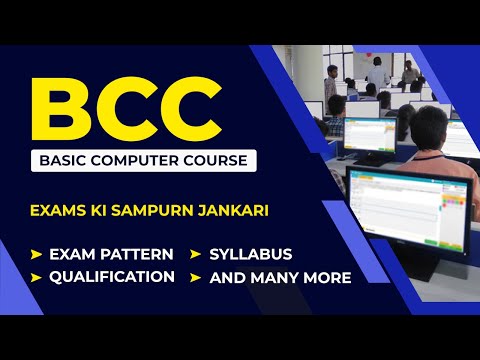
A Basic Computer Course (BCC) is an introductory-level program designed for beginners to develop fundamental computer skills. It helps learners become comfortable using computers for personal, academic, or professional purposes. The course covers computer concepts, operating systems, office productivity tools, internet usage, online safety, and basic troubleshooting.
1. Course Objectives
The main goals of the Basic Computer Course are to:
- Introduce learners to essential computer concepts and terminology.
- Teach practical skills for operating a computer, managing files, and using software.
- Build proficiency in typing, document creation, spreadsheets, and presentations.
- Enable safe and effective internet use.
- Provide confidence for further advanced IT training or computer-based work.
2. Target Audience
This course is ideal for:
- Absolute beginners with no prior computer knowledge
- Students in school or college
- Job seekers who need digital skills
- Senior citizens learning computers for the first time
- Professionals who want to refresh or strengthen their basics
3. Course Duration
Typical Duration: 1 Month
Format: Daily
Total Hours:36 hours
4. Course Modules (Full Detailed Syllabus)
Module 1: Introduction to Computers
- What is a computer?
- Types of computers (Desktop, Laptop, Tablet, Smartphone)
- Characteristics of computers (speed, accuracy, diligence)
- Hardware vs. Software
- Input, Output, and Storage devices
- Booting process (cold/ warm boot)
Module 2: Computer Hardware Basics
- Components of a computer system
- CPU, RAM, ROM, Hard Disk, SSD
- Motherboard and peripherals
- Ports and connectors
- Setting up a computer (keyboard, mouse, monitor, UPS)
Module 3: Operating Systems (Windows/Linux/Mac)
- What is an OS?
- Logging in, using the desktop, taskbar, and menus
- File management (create, open, rename, copy, move, delete)
- Folder structure, drives, libraries
- Using control panel / settings
- Installing and uninstalling programs
- System settings (date/time, display, sound, mouse, keyboard)
Module 4: Typing Skills
- Introduction to keyboard layout (QWERTY)
- Typing techniques and hand positioning
- Online typing practice tools
- Improving typing speed and accuracy
Module 5: Microsoft Office / LibreOffice
A major part of the course focuses on productivity tools.
MS Word / Writer (Word Processing)
- Creating and formatting documents
- Fonts, alignment, spacing, bullets, numbering
- Page layout (margins, orientation, size)
- Tables, images, and shapes
- Header, footer, page numbers
- Saving, printing, exporting to PDF
MS Excel / Calc (Spreadsheets)
- Worksheet basics: cells, rows, columns
- Formatting data
- Basic formulas (SUM, AVERAGE, MAX, MIN)
- Creating charts and tables
- Sorting and filtering data
- Simple data analysis
MS PowerPoint / Impress (Presentations)
- Creating slides
- Layout and themes
- Inserting images, audio, and video
- Animations and slide transitions
- Slide show settings
Module 6: Internet and Email
- What is the internet?
- Web browsers (Chrome, Edge, Firefox)
- Searching information effectively
- Downloading and uploading files
- Email basics (Gmail/Outlook)
- Creating an email account
- Sending, receiving, attaching files
- Using cloud storage (Google Drive, OneDrive)
Module 7: Communication Tools
- Introduction to video conferencing apps (Zoom, Google Meet, Teams)
- Social media basics (Facebook, WhatsApp, Instagram)
- Safe communication practices
Module 8: Basic Computer Security
- Importance of cybersecurity
- Safe internet browsing
- Avoiding phishing, scams, fake websites
- Antivirus and malware protection
- Creating strong passwords
Module 9: Basic Troubleshooting
- Common computer problems
- System freezes, slow performance
- Printer issues
- Internet connection problems
- Maintenance tips (disk cleanup, updates)
Module 10: Practical Projects
- Learners usually complete real-world tasks such as:
- Creating a resume in MS Word
- Preparing a household budget in Excel
- Making a presentation on a topic of choice
- Sending a professional email
5. Learning Outcomes
After completing the Basic Computer Course, students will be able to:
- Operate a computer independently
- Manage files and use essential software
- Create professional documents, spreadsheets, and presentations
- Browse the internet safely and effectively
- Use email and communication tools
- Understand basic IT terminology
- Troubleshoot common issues
6. Certification
Most institutes provide:
- Certificate of Completion
- Skill-based assessment at the end
- Practical tests on typing, office software, and internet use
7. Career Benefits
- A Basic Computer Course helps with:
- Employability in administrative, data entry, and office jobs
- Foundation for advanced IT courses (Tally, Graphic Design, Programming)
- Better academic performance
- Improved productivity and digital confidence
8. Recommended Tools & Resources
- MS Office / LibreOffice
- Google Docs, Sheets, Slides
- Typing tools (TypingClub, Ratatype)
- Antivirus software
- Basic hardware (PC/Laptop)
Contact Us
Call Now